It's Saturday morning and you're already forty minutes into mowing before the heat gets unbearable, again. Half the yard is thirsty St. Augustine that browns the second you skip a watering, and the other half is a bed of plants that looked great at the nursery and struggled the moment July hit. If that sounds familiar, the fix usually isn't a bigger budget, it's a different plan.
These low maintenance landscaping ideas Florida homeowners actually use trade high-upkeep turf and fussy plants for layouts built to hold up in Port St Lucie's heat and rain, so you spend less time mowing, watering, and weeding. Here's where to start and what to change first.
What "Low Maintenance" Really Means in a Florida Yard
Low maintenance doesn't mean gravel and nothing else. It means matching plants and layout to the conditions your yard already has, sandy soil, intense sun, sudden downpours, so the landscape mostly takes care of itself. The homeowners who get the most out of low maintenance landscaping ideas Florida yards need usually change three things: how much lawn they keep, what they plant in the beds, and how those beds are laid out.
Shrink the Lawn Before You Try to Fix It
The biggest single reduction in mowing and watering comes from having less grass to mow and water in the first place. You don't have to remove the whole lawn, just the parts that aren't earning their keep.
- Narrow side yards and awkward strips that are a pain to mow anyway are good candidates for ground cover or a mulch bed instead.
- Shaded spots under mature oaks or palms where grass always struggles can become a shade garden instead of a bare, patchy lawn.
- A defined patio, paver path, or gravel seating area removes square footage from the mower's job permanently.
Keep the lawn where you actually use it, front and center for curb appeal or a play area out back, and convert the rest to something that doesn't need a weekly cut.
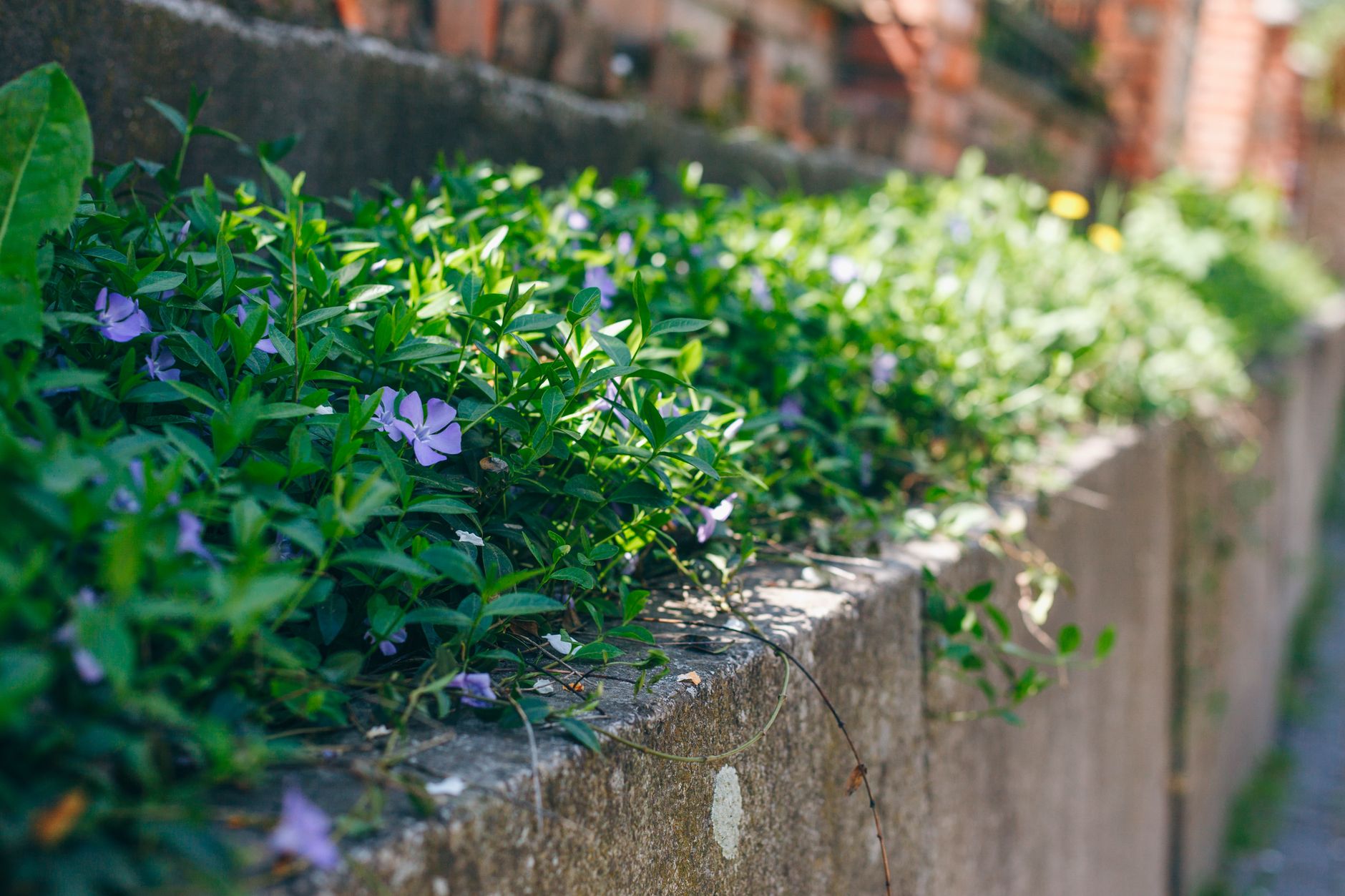
Pick Plants That Thrive on Neglect, Not Just Attention
Plant choice is where most low maintenance landscaping ideas Florida guides fall short, because a plant that needs weekly babying isn't low maintenance no matter how it's arranged. Look for options bred for our sandy soil and long dry stretches between summer storms.
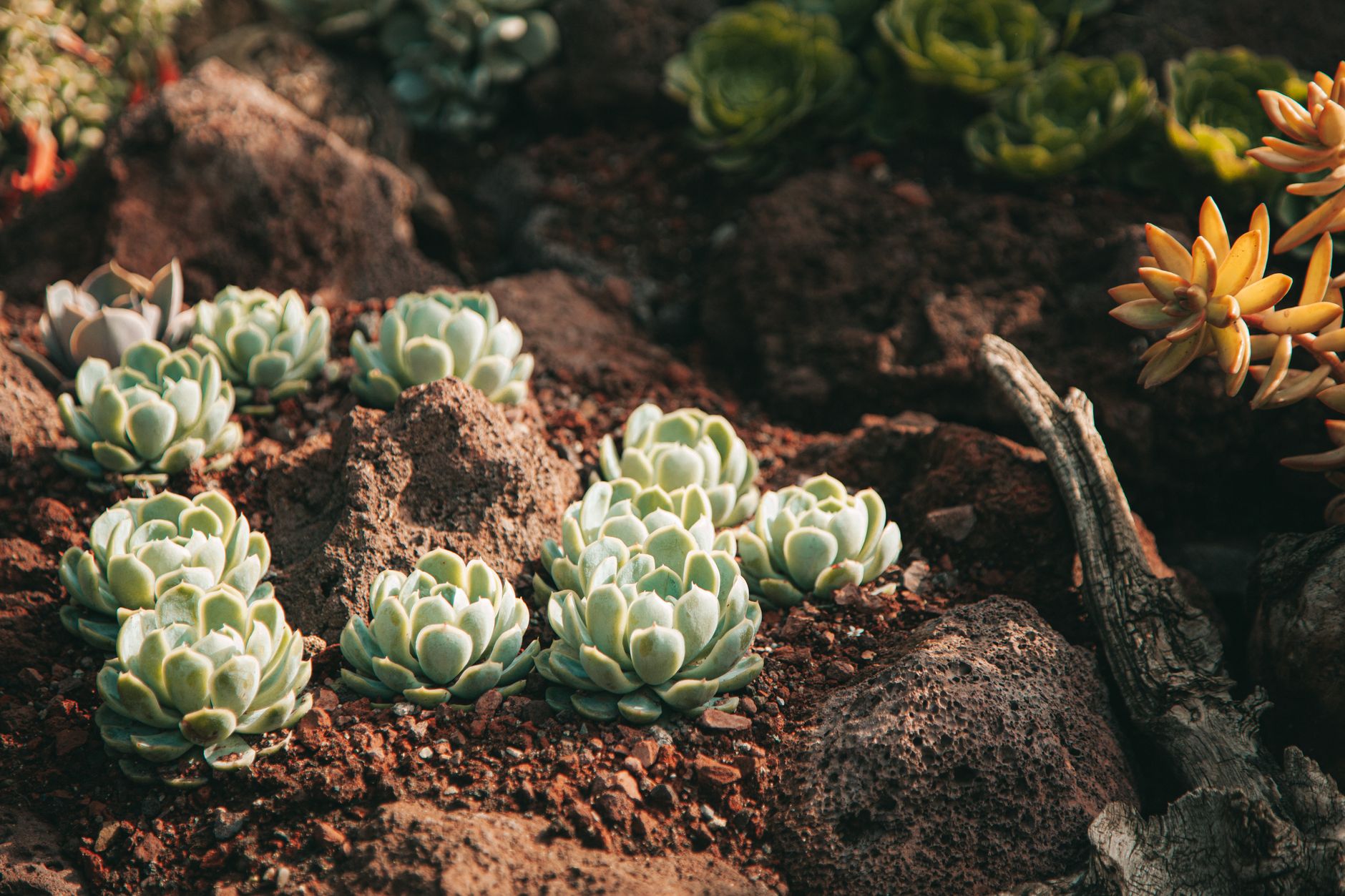
- Succulents and sedum tucked into rock beds or raised planters need almost no watering once established and shrug off full sun.
- Muhly grass and coontie are Florida natives that fill space quickly, need little fertilizer, and don't mind being ignored for weeks.
- Dwarf yaupon holly and junipers hold their shape with one or two trims a year instead of constant pruning.
- Bougainvillea and lantana bring color without the deadheading and disease issues that come with more delicate flowering plants.
Grouping tougher, colorful bloomers like these in a raised stone planter or bed gives you the visual punch of a flower garden without the upkeep of one.
Let Rock and Mulch Do the Work Grass Used to Do
Bare mulch beds still need weeding and a refresh every year or two. Rock and gravel beds, by contrast, suppress weeds almost completely and never wash out or break down the way mulch does after a rainy season.
A small rock garden mixing succulents, ornamental grasses, and a few larger stones for structure looks intentional rather than sparse, and it's one of the lowest-upkeep front-yard features you can install.
We map out low maintenance landscaping ideas for Port St Lucie yards every week, and we're happy to walk yours.
Request your free quote online, no obligation.
Group Plants by Water Needs, Not Just Looks
A lot of watering waste comes from mixing thirsty plants with drought-tolerant ones in the same bed, then watering the whole bed to keep the neediest plant alive. Grouping plants by how much water they actually need, sometimes called hydrozoning, means you can run irrigation less often overall and still keep everything healthy.
Put drought-tolerant natives and succulents on their own zone or drip line, and save deeper, more frequent watering for the smaller spots where you actually want lush, thirstier plantings, like a specimen palm or a hydrangea near the entry.
If your beds and lawn are still running on one blanket watering schedule, a landscape design that reworks the layout around water needs is usually what fixes it for good, rather than just adjusting the sprinkler timer again.
Low Maintenance Doesn't Have to Mean Low Curb Appeal
The concern we hear most is that cutting maintenance will make the yard look bare or boring. In practice, the opposite tends to happen: fewer high-upkeep elements mean the ones you keep, a well-placed palm, a bed of blooming lantana, a clean paver path, get to stand out instead of competing with an overgrown lawn and stressed-out plants around them.
A tidy layout built on drought-tolerant plants photographs just as well, if not better, than a lawn-heavy yard that only looks sharp the day after it's been cut and watered. Landscaping in Port St Lucie built around these swaps holds that look year-round instead of for one good week a month.
For a broader look at design choices that work with our climate instead of against it, our guide to Florida-friendly landscaping in Port St Lucie covers more of the plant and layout decisions that pay off long term. And if mowing what's left of the lawn is still the part you want off your plate, our lawn care service keeps it looking sharp without you lifting a finger.
Frequently Asked Questions
What is the most low maintenance landscaping option for a Florida yard?
Reducing lawn area and replacing it with native or drought-tolerant plants, mulch, or rock beds is usually the biggest win. Less turf means less mowing and watering, and the right plant choices need very little attention once they're established.
Do I have to remove my whole lawn to cut down on maintenance?
No. Most homeowners get the best results by keeping lawn where it's actually used, like the front yard or a play area, and converting harder-to-mow strips, shaded patches, or unused corners to beds, ground cover, or hardscape instead.
What plants need the least water in Port St Lucie?
Succulents, sedum, muhly grass, coontie, junipers, and lantana are all reliable low-water choices for our sandy soil and heat once they're established. Grouping them together on their own irrigation zone keeps watering efficient.
Is mulch or rock better for a low maintenance bed?
Rock and gravel need far less ongoing attention since they don't break down or wash out the way mulch can after heavy rain. Mulch still has a place around plants that benefit from the extra moisture retention, but it needs refreshing every year or two.
Will a low maintenance yard hurt my curb appeal or resale value?
Not when it's designed well. A tidy layout with drought-tolerant plants and clean lines tends to look sharp year-round, while a lawn-heavy yard often only looks its best for a day or two after it's cut and watered.
How much can I realistically cut back on mowing and watering?
It depends on how much of your current yard is lawn versus beds, but many homeowners who convert unused or hard-to-mow areas and regroup plants by water needs cut their regular mowing and watering time noticeably within the first season.
Ready to trade the mowing marathon for a yard that keeps up with itself? We'll walk your property and map out the low maintenance landscaping ideas that fit it best.
Get Your Free Quote